
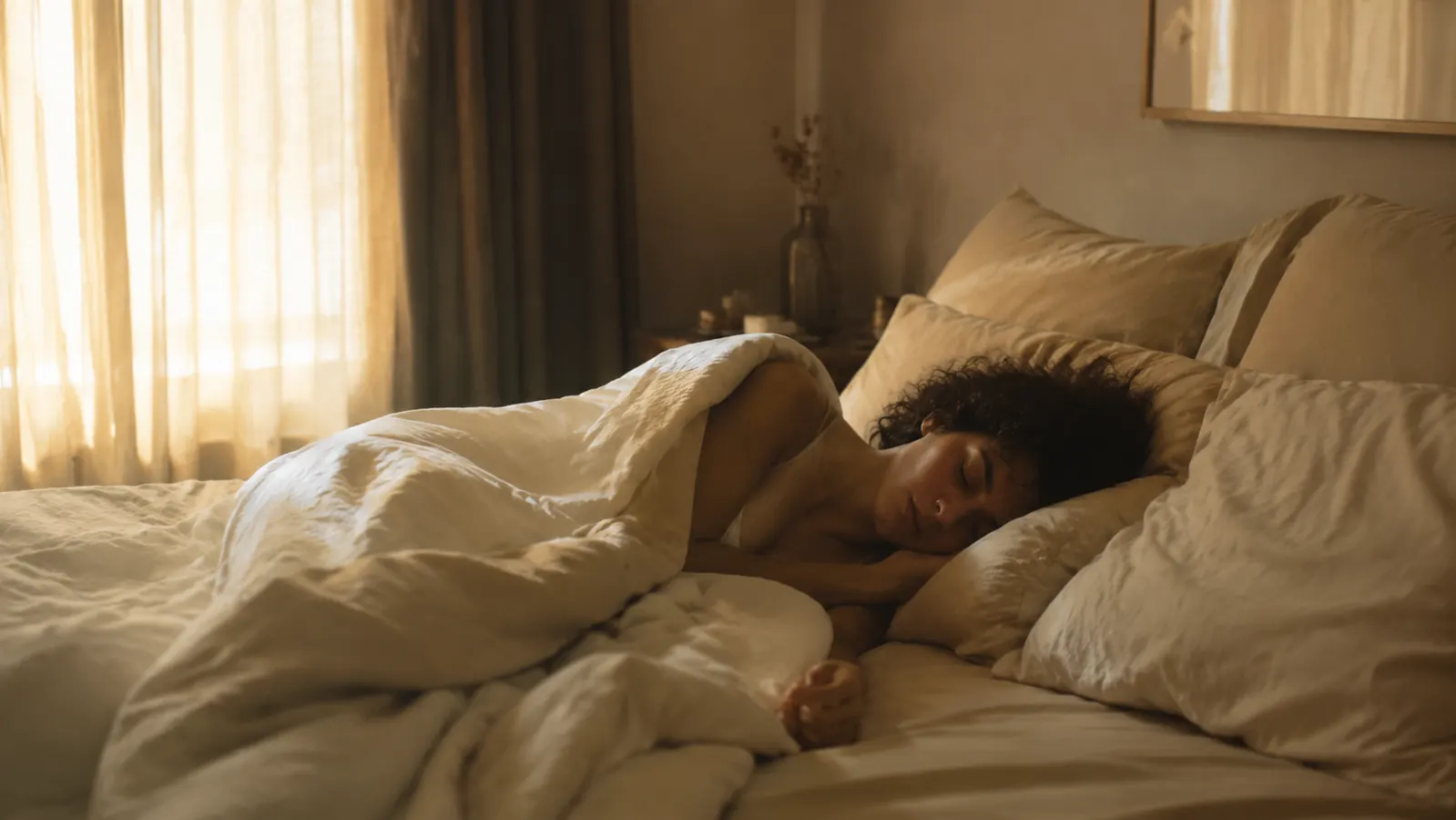
My youngest wakes up at 5:15 in the morning. Not always. But often enough that I stopped trusting the alarm clock. She does not cry or call for me. She just turns on her bedroom light, and then that light finds every gap in my curtains and lands directly on my face. By 5:30 I am awake. By 6:00 I am at the coffee maker, already running a deficit for the day. A ten-dollar sleep mask from a brand called MyHalos eventually fixed this. But it took me three failed attempts to find my way there, and I think the path matters.
I am a physical therapist. I spend my days talking to people about how the body repairs itself during sleep, how tissue heals, how pain patterns shift when rest is poor. I know this material. I teach it. And I was consistently getting five and a half hours of uninterrupted sleep before the light dragged me out of the last, deepest part of my night. The irony was not lost on me.
I had already tried the obvious things. Heavy curtains first, the kind marketed as blackout, which blocked most of the light but left a pale strip around the top and the sides that my eyes locked onto immediately. Then a flat foam eye mask, the kind they hand out on red-eye flights. It worked until I rolled onto my side, at which point the pressure on my eyelids woke me up faster than the light had. I tried a folded pillowcase over my face, which lasted four minutes before I felt like I could not breathe.
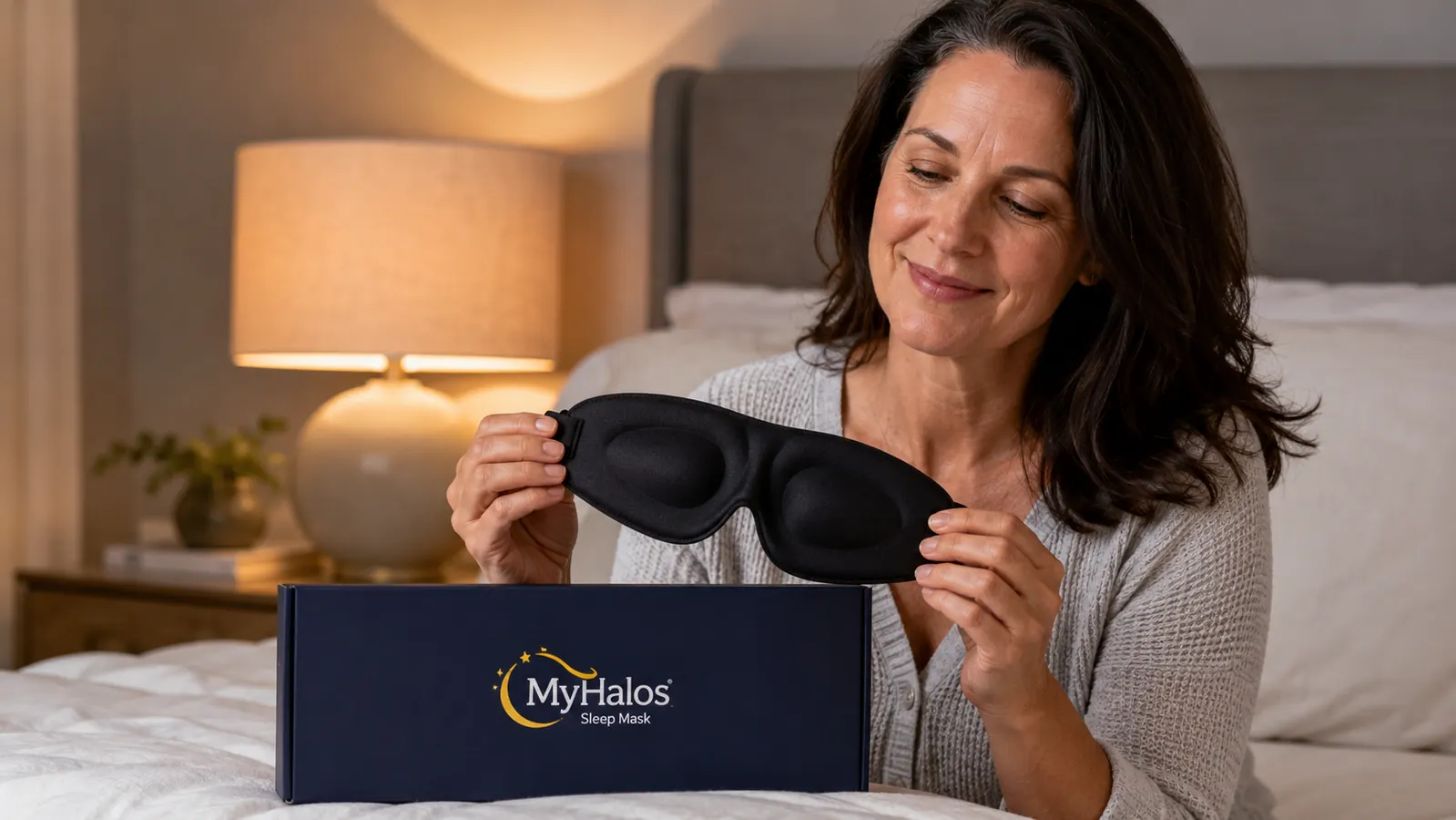
A patient mentioned the MyHalos 3D sleep mask during an appointment. She was a night-shift nurse who slept during the day and had spent years solving the same problem I was describing. She said the key difference with a contoured mask was that the eye cups did not rest on your eyelids at all. The shell shape held the fabric away from your eyes entirely. No pressure. No contact. Just dark.
I ordered it that evening. It cost less than a takeout lunch. When it arrived, I put it on standing in the kitchen and looked around the room. Nothing. Not even the outline of the overhead light. That was the first time I thought this might actually work.
The shell shape held the fabric away from my eyes entirely. No pressure. No contact. Just dark.
If the last hour of your sleep keeps getting stolen by early light, this is worth a small investment of your time.
The MyHalos 3D Blackout Sleep Mask has over 21,000 ratings and costs very little. The contoured eye cups hold the fabric away from your eyelids so there is no pressure, and the adjustable strap stays put whether you sleep on your back or your side.
Amazon Check Today's Price on Amazon →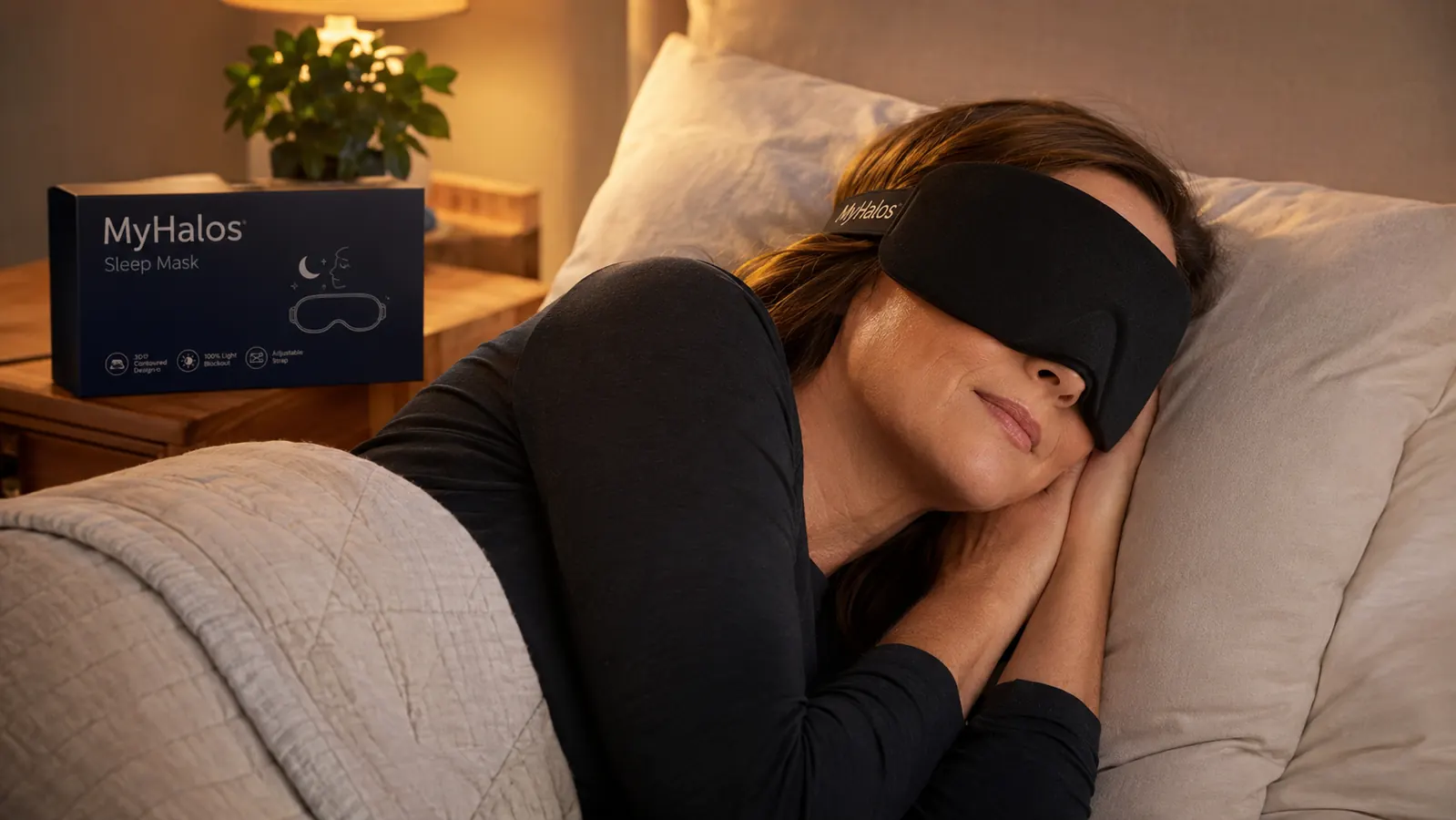
The first night I wore it, I woke up at 6:48. My daughter had been up for over an hour. I had slept through the light entirely. I lay there for a moment waiting for the usual groggy, shortchanged feeling and it was not there. I felt like I had come up from something deeper than I had reached in weeks.
The strap is the part I was most skeptical about. Every flat eye mask I had owned either slipped off during the night or pressed into the back of my head and left a ridge I could feel for an hour after waking. The MyHalos strap is wider and adjustable with a simple slide fastener. I set it once and it has not moved since. I sleep on my side most of the night, and the mask shifts with me without pulling or losing its blackout seal.
There is a break-in period worth mentioning honestly. The first two nights I was aware of the mask in a background way, the same way you notice a new pillow. By night three it had disappeared from my awareness. I stopped thinking about it and started sleeping through it. That is usually how it goes with any sleep accessory. Give it a week before you decide it is not for you.
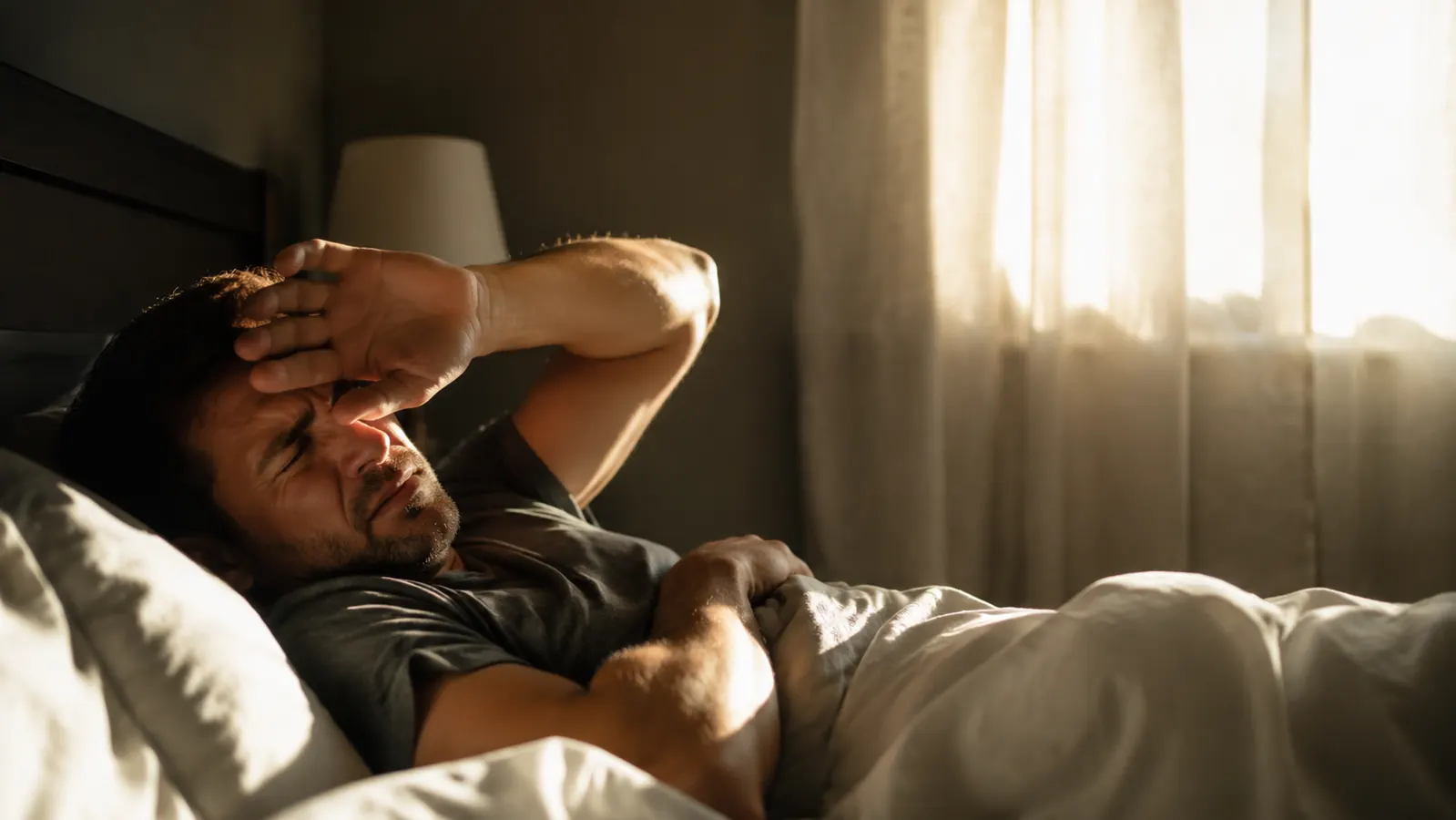
The one thing it does not fix is sound. If your child is loud, or your partner snores, or you live near a street with early garbage trucks, this mask handles light only. I pair mine with a small white noise machine, and together they cover the two main things that were pulling me out of sleep each morning. If light is your only problem, the mask alone is likely enough.
What I Would Tell You If We Were Sitting at My Kitchen Table
If you came to my house and told me you were losing sleep every morning because light kept finding you, I would not send you to a sleep specialist first. I would tell you to spend a modest amount on a contoured sleep mask and wear it for a week. Not because every sleep problem has a budget solution. Most do not. But light intrusion is a mechanical problem. It responds to a mechanical fix. A flat foam mask presses on your eyes and wakes you. A 3D mask holds the shell away from your eyelids, and the light simply has nowhere to go.
I have recommended the MyHalos to three patients since I started using it myself. Two are shift workers who sleep during the day. One is a new father in the same situation I was in, chasing that missing hour before his toddler demands breakfast. All three said the same thing: it took a few nights to stop noticing the mask, and then it became invisible to them and they stopped waking up early. That is what a good sleep tool should do. Work quietly and get out of the way.
One week is all it takes to know if this fixes your early wake-ups.
The MyHalos 3D Blackout Sleep Mask has a 4.7-star average across more than 21,000 Amazon ratings. If early light is costing you sleep every single morning, it is worth finding out whether a small investment is all that stands between you and a full night.
Amazon Check Today's Price on Amazon →