

You have tried the melatonin gummies. You have the sleep app with the rain sounds. You have the white noise and the no-screens-after-nine rule. And you still lie there at 11:15 pm with a brain that will not stop replaying the conversation you had with your coworker three days ago. I know this because I hear a version of it in my physical therapy practice at least twice a week. My patients are not bad sleepers by nature. They are people whose nervous systems never quite get the signal that it is safe to let go. A weighted blanket is one of the most reliable ways I know to send that signal, but it only works when you use it right. These five steps will walk you through exactly how.
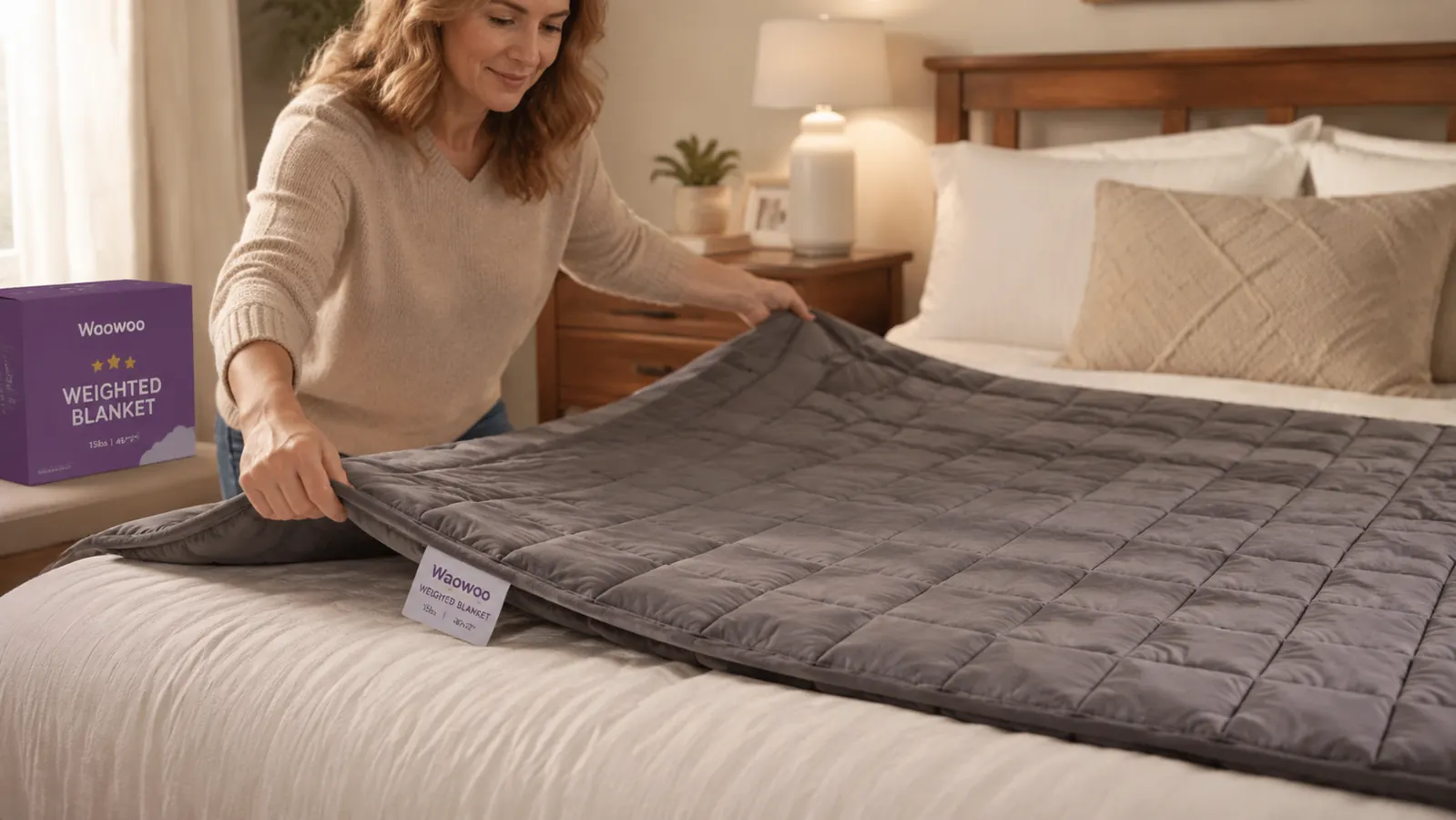
The Waowoo Adult Weighted Blanket is what I recommend to most of my patients who want to try this. It is a 15-pound queen-size cotton blanket that is budget-friendly on Amazon. It is not fancy. The science behind why it works is straightforward: the even pressure across your body activates what researchers call deep pressure stimulation, which nudges your nervous system toward the same calmer state you feel when you are held or hugged. The research on this is solid enough that occupational therapists have used weighted blankets clinically for decades. The tricky part is not the blanket itself. It is knowing how to introduce it so your body actually relaxes instead of feeling trapped.
Still lying awake an hour after getting into bed? A weighted blanket is worth trying before you add another supplement to the pile.
The Waowoo 15lb weighted blanket has over 37,000 Amazon ratings and is budget-friendly. Queen size, 100% cotton, and machine washable.
Amazon Check Today's Price on Amazon →Step 1: Choose the Right Weight for Your Weighted Blanket
The standard guideline is about 10 percent of your body weight. If you weigh 150 pounds, a 15-pound weighted blanket is the right starting point. This is not a hard rule, but it is a useful anchor. Go too light and you lose the pressure effect. Go too heavy and your body reads it as a threat rather than a comfort, and you will feel worse, not better.
For most adults in the 130 to 180 pound range, the Waowoo 15-pound blanket hits the target. If you are closer to 100 pounds, look for a 10-pound option. If you are over 200 pounds, a 20-pound blanket may work better. Children and people with certain respiratory or circulation conditions should check with a doctor before using a weighted blanket. But for the typical tired adult who just wants to stop staring at the ceiling, 15 pounds and the 10 percent rule will get you where you need to go.
One thing I tell my patients: do not start with the weighted blanket over your whole body on night one. Fold it in half and lay it across your hips and lower body only. Your body needs a few nights to interpret the pressure as safe before you extend it up to your chest and shoulders. Jumping straight to full-body coverage on the first night is the most common reason people give up and say the blanket did not work for them.
Step 2: Set Up Your Environment So the Weighted Blanket Can Do Its Job
A weighted blanket cannot do much if your bedroom is 74 degrees. The pressure effect works by calming your sympathetic nervous system, but heat counteracts that. Your body drops its core temperature as part of the process of falling asleep, and a warm room fights that drop. Aim for 65 to 68 degrees if you can. If you do not control your own thermostat, a fan pointed at the foot of the bed makes a real difference.
The Waowoo blanket is cotton, which breathes better than polyester-fill weighted blankets. That helps. But if you are a hot sleeper, you may want to use a lighter sheet underneath and let the weighted blanket be the top layer with nothing else trapping heat. The goal is to feel the weight without feeling like you are wrapped in something.
Light is the other factor worth addressing before you add the weighted blanket to your routine. Even a small amount of light through the curtains or a charging indicator on a power strip can interfere with melatonin production. Blackout curtains or a good sleep mask paired with a weighted blanket will compound the benefit. The body calms faster when it is getting multiple consistent signals that it is nighttime and safe to rest.
Step 3: Build a 20-Minute Weighted Blanket Wind-Down Routine
Here is the step most people skip, and it is the one that makes the biggest difference in how fast the weighted blanket starts working. Do not get into bed, throw the blanket on, and expect to be asleep in ten minutes. That is not how the nervous system works. The weighted blanket is most effective when your body is already starting to downregulate, not when it is still buzzing from a full day.
Twenty minutes before bed, put the weighted blanket over your lap while you do something quiet. Read a physical book. Write in a notebook. Sit on the couch in the dark. The blanket does not only work lying down. Sitting with it over your legs begins the pressure stimulation response before you ever get into bed. By the time you move to the bedroom, your nervous system is already partway there.
I started suggesting this to patients about four years ago after noticing that people who used their weighted blanket only in bed reported slower results than people who happened to use it on the couch while reading or watching television. The couch use was not intentional at first. But the pattern was consistent enough that I now build it into every recommendation I make.
The weighted blanket is most effective when your nervous system is already starting to wind down, not when it is still buzzing from a full day. Twenty minutes on the couch changes everything.

Step 4: Use a Consistent Weighted Blanket Position in Bed
Position matters more than people expect. Back sleepers tend to do well with the weighted blanket running from the shoulders down to the ankles, distributed evenly. Side sleepers sometimes find full-body coverage uncomfortable because the weight can shift and feel uneven as you move. If you are a side sleeper, try draping the blanket so it covers your hips and legs while leaving your upper body freer. Some people use the weighted blanket only from the waist down and find that is enough to get the calming effect.
The Waowoo blanket uses a grid-stitch construction to hold the glass bead fill in place. This means the weight stays relatively even as you move, which is better than cheaper blankets where the fill clusters to one side. But no weighted blanket is entirely static. If you are a restless sleeper, start with just the lower body and see how your body responds before going to full coverage.
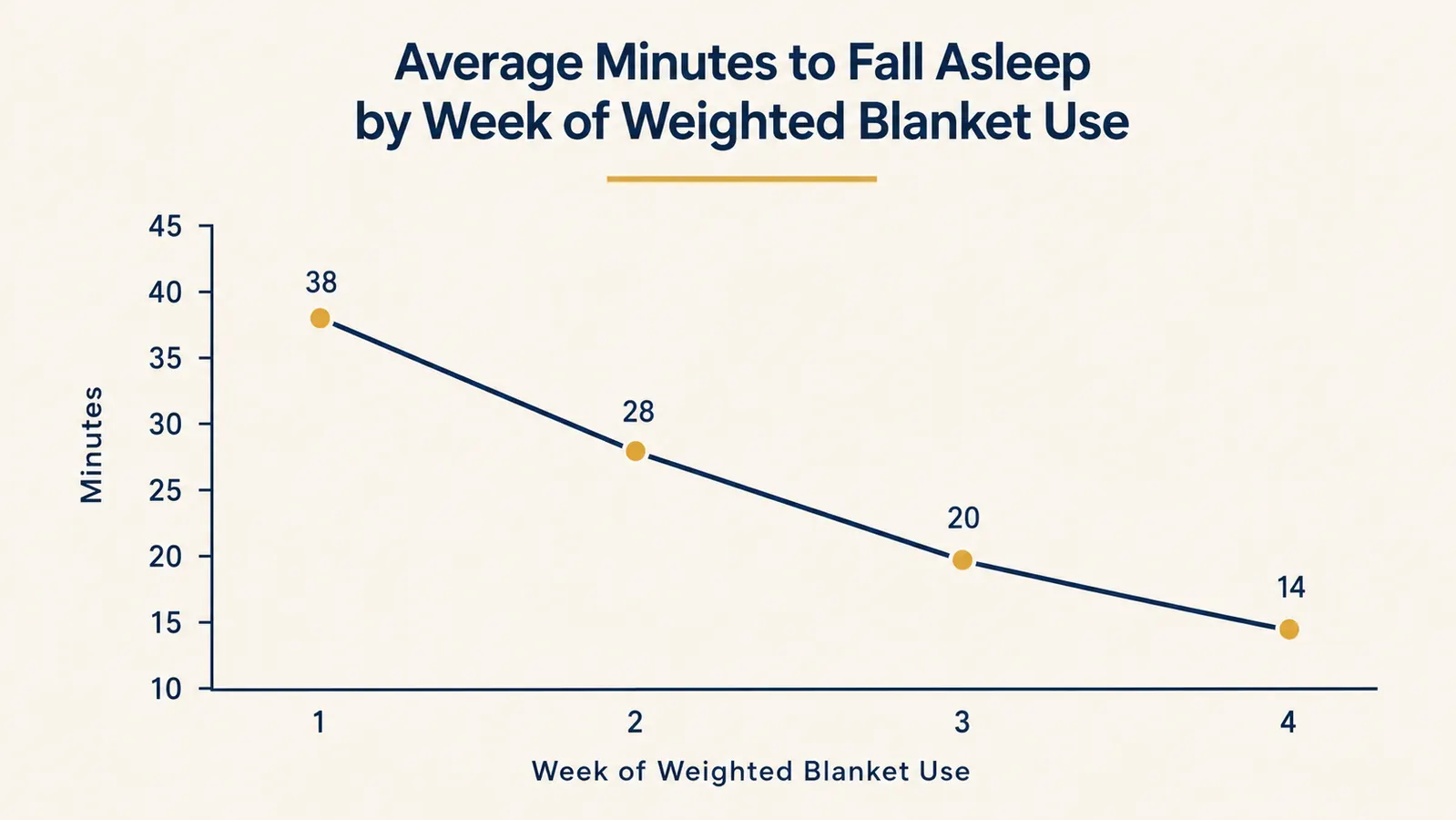
Give yourself at least two full weeks before you decide whether the weighted blanket is working. Most people notice a difference in the first three to five nights. But the nervous system adapts gradually, and some people do not feel the full effect until the second week. The chart below shows what the typical learning curve looks like based on user reports: sleep onset improves progressively rather than all at once.
Step 5: Care for Your Weighted Blanket So It Holds Up
A weighted blanket you use every night needs to be washable, and the Waowoo 15-pound blanket is machine washable in a commercial or large-capacity home washer. Standard washing machines sometimes struggle with blankets over 12 pounds because the wet weight stresses the drum bearings. If your home washer is a compact or top-load model, a laundromat's large front-loader will wash it without issue.
Wash on cold or warm with mild detergent. Avoid fabric softener, which coats the cotton fibers and reduces breathability over time. Tumble dry on low or hang to dry if you have space. The glass bead fill is not affected by water, but high heat can degrade the stitching that holds the grid pattern in place. Low heat is the right call for longevity.
Plan to wash your weighted blanket every two to four weeks if you are using it nightly. Because it sits on top of your bedding rather than against your skin, it does not collect body oils as quickly as your sheets do. But it will absorb ambient humidity and dust, so regular washing keeps both the blanket and your sleep environment clean.
What Else Helps When You Are Trying to Fall Asleep Faster
A weighted blanket works better when it is not the only thing you are doing. Consistent wake times matter more than consistent bedtimes for most people. If you wake at the same time every day, including weekends, your body builds a reliable sleep pressure cycle that makes it easier to fall asleep at night. The weighted blanket helps you transition from awake to asleep more smoothly. A consistent schedule gives you more sleep pressure to work with.
Limiting alcohol in the three hours before bed also helps more than people expect. Alcohol may feel like it helps you fall asleep, but it fragments the second half of your sleep and reduces the slow-wave sleep that leaves you feeling rested. Pair the weighted blanket with an earlier last drink and most people report a noticeable improvement in how they feel in the morning within a week.
If noise is part of your problem, a white noise machine on the bedside table gives the ears something neutral to rest on, which reduces the way the brain monitors for threats. That monitoring is part of what keeps anxious sleepers awake. A weighted blanket addresses the body; white noise addresses the ears. Together they cover more of the nervous system than either does alone. For deeper reading on the Waowoo blanket's construction and long-term durability, the three-month review covers everything I noticed from regular use. And if you are still deciding whether a weighted blanket is worth the investment over a regular blanket, the comparison piece lays out the practical differences.
If you have been lying awake for 45 minutes every night, a budget-friendly weighted blanket is a low-risk experiment worth running.
The Waowoo 15lb weighted blanket is one of the most reviewed on Amazon. Cotton construction, machine washable, queen size. A tool your nervous system will thank you for giving it.
Amazon Check Today's Price on Amazon →